FORT LAUDERDALE
Dorin Wigs & Hair Extensions
4800 SW 28th Terrace
Fort Lauderdale, FL 33312
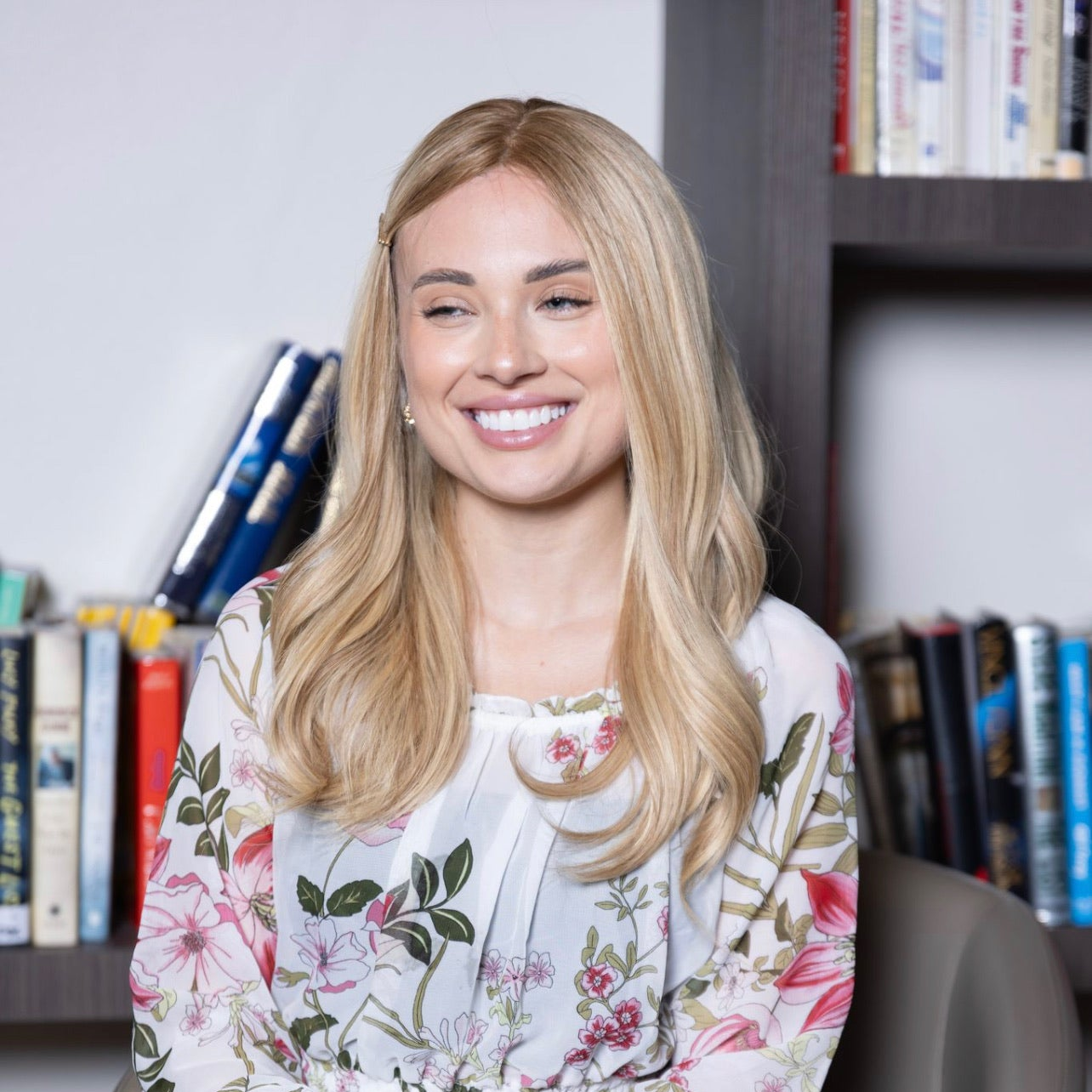
Cranial Prosthesis · Fort Lauderdale
A cranial prosthesis is not a fashion wig. It is a medical device, fitted with precision, covered by insurance, and designed to restore far more than hair — for women navigating chemotherapy, alopecia, and medical hair loss.
A cranial prosthesis is a full-scalp hair system — functionally similar to what is commonly called a wig — prescribed and fitted as a medical device for patients experiencing hair loss due to a diagnosable medical condition.
The distinction matters for one critical reason: insurance pays for cranial prostheses. It rarely pays for wigs. When your oncologist or dermatologist prescribes one, and the fitting is documented correctly, most private health plans, many Medicare Advantage plans, and all FSA and HSA accounts will cover it.
Dorin has been fitting cranial prostheses in Fort Lauderdale for 25 years. Every piece starts with a full consultation, is built to your exact measurements, and is documented from the first appointment with the language your insurer needs.
Who we serve
A cranial prosthesis is appropriate for any medically diagnosed hair loss. These are the conditions we work with most often.
Hair loss during or after cancer treatment is one of the most common reasons women visit Dorin. We work at whatever pace you need — before, during, or after treatment — around sensitive scalps and changing timelines.
Alopecia can be unpredictable, and the right prosthesis needs to account for that. We fit for patchy loss, full scalp loss, and everything between — with cap constructions that stay secure through daily life.
Hair-pulling disorder is a medical condition, not a habit. We fit clients navigating trichotillomania with the same respect and clinical precision as any other diagnosis — no judgment, no pressure.
Radiation-related hair loss — whether full-scalp or localized — requires careful fitting around sensitive skin. Our fittings are gentle, unhurried, and always private.
Female-pattern hair loss, post-partum shedding, and thyroid-related hair loss are all qualifying medical conditions. A physician's note confirms the diagnosis — Dorin handles the rest.
Lichen planopilaris, frontal fibrosing alopecia, discoid lupus — if your dermatologist has a name for it, we've likely fitted someone with it. Bring your diagnosis to the consultation.
Know the difference
The same physical object exists in two very different contexts. Understanding the difference determines whether your insurance pays and whether your piece fits the way it should.
| Fashion Wig | Cranial Prosthesis (Dorin) | |
|---|---|---|
| Purpose | Cosmetic or style choice | Medical device prescribed for diagnosed hair loss |
| Fitting | Off-the-shelf or generic sizing | Custom-measured to your scalp, density, and hairline |
| Construction | Machine-made cap, synthetic or blended hair | Hand-tied on custom cap; 100% human hair available |
| Documentation | Sales receipt only | Physician's prescription + itemized receipt + LMN available |
| Insurance / FSA | Not covered | FSA/HSA eligible; many private plans reimburse |
| Longevity | 6–18 months typical | 2–5 years with proper care and maintenance |
How it works
Every fitting begins with a conversation and ends with a piece that disappears into your life. Nothing in between is rushed.
Ask your oncologist, dermatologist, or primary care physician for a written prescription for a 'cranial prosthesis due to [condition].' Bring it to your Dorin consultation.
Some insurers require a Letter of Medical Necessity (LMN) in addition to a prescription. Dorin's team can provide supporting documentation; your physician signs it.
After your fitting, we provide a detailed receipt that lists the item as a 'cranial prosthesis' with the standard medical billing code insurers expect (HCPCS A9282; some plans use S8095).
Submit your receipt, prescription, and LMN (if required) to your insurer or FSA/HSA administrator. Reimbursement typically takes 2 to 6 weeks for approved claims.
We've put together a complete guide to coverage, required documentation, and how to submit a clean claim. Read it before your appointment and arrive ready.
What clients say
As a cancer patient, this wig helped me feel like myself again. I am incredibly grateful for the woman behind it.Posted on Google
The result was incredibly natural — she traced my widow's peak to get the fit exactly right.Posted on Google
I cannot say enough wonderful things. I highly recommend to anyone in need.Posted on Google
Common questions
A cranial prosthesis is a full-scalp hair system prescribed as a medical device for diagnosed hair loss — chemotherapy, alopecia, trichotillomania, or another named condition. The physical piece can be identical to a fine fashion wig; what differs is everything around it: a physician's prescription, custom fitting documentation, and clinical terminology on the receipt (HCPCS A9282 or S8095). That language is what triggers insurance coverage — insurers reimburse 'cranial prostheses,' not 'wigs.' The distinction also changes the fitting itself: a prosthesis is measured to your scalp, built around sensitive skin, and documented from the first appointment. At Dorin, every medical fitting is recorded with the correct language from the start, so if you decide to submit a claim later, the paperwork already exists.
You do not need a prescription to book a consultation or purchase a piece — anyone experiencing hair loss is welcome at the atelier. A prescription becomes necessary only when money is coming from insurance, FSA, or HSA: reimbursement requires a physician's order that says 'cranial prosthesis for [your diagnosis]', signed by your oncologist, dermatologist, or primary care physician. The wording matters — a prescription for a 'wig' is routinely denied, while the identical piece prescribed as a 'cranial prosthesis' is covered by many plans. If your doctor hasn't written one before, we can advise on the exact wording at your consultation. Many clients book the fitting first and bring the prescription to a later appointment; the order doesn't matter as long as both exist when you file the claim.
A hand-tied, 100% human hair cranial prosthesis typically lasts 2 to 5 years with proper care — regular gentle washing, conditioning, and storage on a stand when not worn. Synthetic pieces, by comparison, usually last 6 to 18 months before the fibers dull and mat, which is one reason Dorin builds exclusively in human hair. Lifespan also depends on wear pattern: a piece worn daily through Florida heat and humidity ages faster than one alternated with scarves or a second piece. Most insurance plans that cover cranial prostheses allow one replacement per plan year or per hair-loss incident, so a well-maintained Dorin piece usually outlasts the benefit cycle. We also offer maintenance — cleaning, restyling, and repairs — that extends life considerably; many clients' pieces are refreshed rather than replaced.
Yes — you can come in before, during, or after chemotherapy treatment. In fact, many clients prefer to be fitted before significant hair loss begins: matching your natural color, texture, and hairline is most precise while your hair is still present, and your piece is ready the moment you want it. If you're mid-treatment, we work gently around sensitive scalps — cap constructions with soft linings, no rushing, breaks whenever you need them. If treatment has ended and hair is regrowing, we fit pieces that transition with you. The atelier is private and women-only, one appointment at a time, and you're welcome to bring someone you trust. Whatever stage you're at is the right stage to come in — the consultation is complimentary and nothing is decided until you're ready.
Bring whatever you have from this list — none of it is required for a first visit: your physician's prescription for a 'cranial prosthesis' if you have one, your insurance card so we can help you read the benefit language, your FSA or HSA card if you plan to pay with it, and photos of your natural hair color and length from before any loss — they're the single most useful matching reference we can have. If you'd like company, bring a trusted person; the atelier is private and women-only, so it will be just you, your guest, and your stylist. If you arrive with nothing but questions, that's fine too — the consultation is complimentary, and documentation can always follow at the fitting.
The initial cranial prosthesis consultation at Dorin is complimentary — there is no charge to come in, discuss your diagnosis and options, and understand the process. The prosthesis itself is priced by hair type, length, and cap construction, and we review it transparently at the consultation with no pressure to decide on the spot. Because a Dorin piece is hand-tied in 100% human hair to your exact measurements, it is an investment — but one that insurance, FSA, and HSA funds can offset when prescribed for a diagnosed condition, and one that lasts 2 to 5 years with care. Ask about payment options at your visit, and bring your insurance card: reviewing your benefit language is part of the free consultation, not an upsell.
Take the first step
Bring your diagnosis and your questions. We'll handle everything else — including the documentation your insurance needs.
Book a Consultation →VISIT OUR LOCATIONS
FORT LAUDERDALE
4800 SW 28th Terrace
Fort Lauderdale, FL 33312
NORTH PALM BEACH
11575 US-1 Ste 303
North Palm Beach, FL 33408
Reviewed by Dorin Truczman — Wig Artist & Cranial Prosthetist, 25 years in Fort Lauderdale · Last reviewed July 2026